
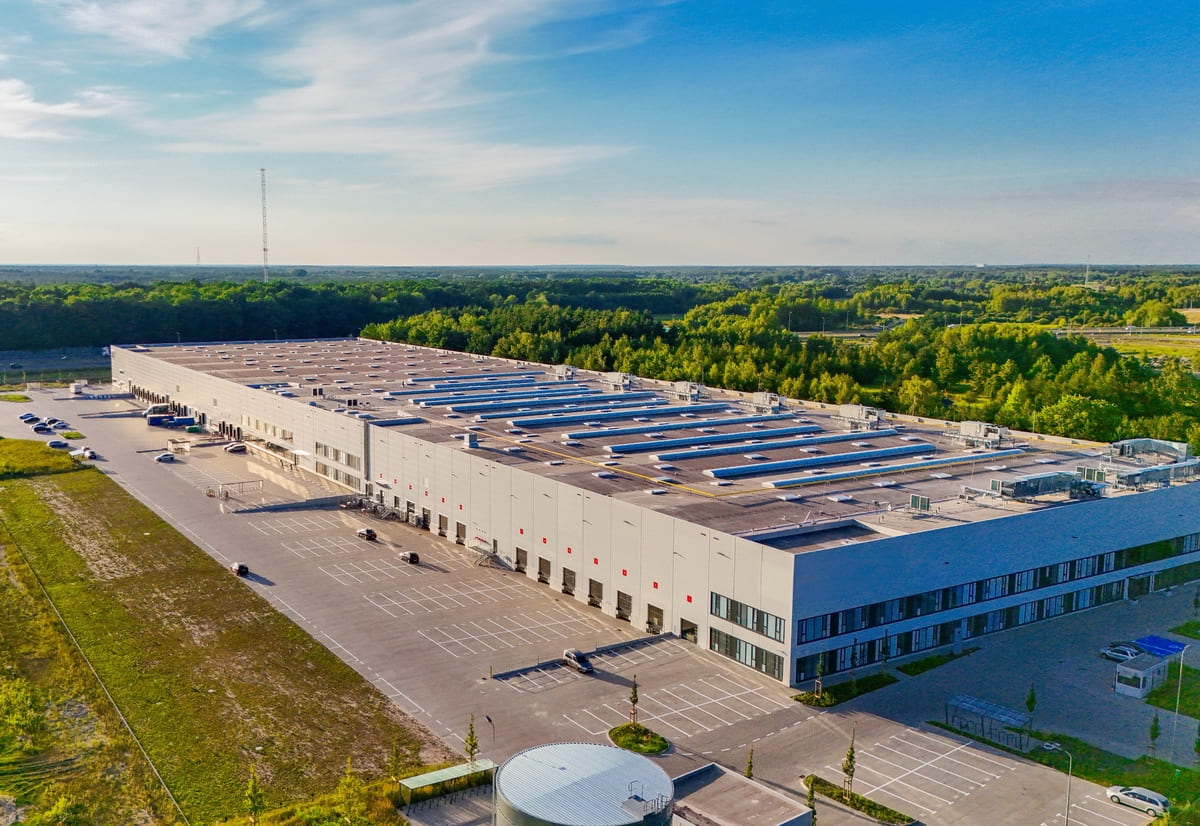
Solar energy is quickly becoming a practical choice for metallurgical companies looking to reduce energy cost pressures and better control monthly costs. The instability of the energy market makes it difficult to budget and remain competitive. In this situation, industrial photovoltaic technologies offer direct savings and greater financial predictability. Legislative changes, increased interest in ESG criteria and green financing are leading more and more managers to seriously consider this option.
Industrial solar energy: what does it actually entail?
Industrial solar energy uses photovoltaic panels to convert light into electricity, directly at the point of consumption. Such an investment involves systems specifically designed for factories, from a few hundred kilowatts to megawatts, capable of providing energy for machinery, processing lines and installations with continuous or variable load.
Compared to residential solutions, industrial ones require advanced monitoring, integration into the internal network of the hall and adaptation to real consumption. For example, melting furnaces or presses with constant operation require correctly sized and reliable systems to ensure the necessary energy flow without interruptions. Advanced solutions provide for the use of energy storage to cover fluctuations and avoid the risks generated by short interruptions, supporting continuous operation even in the absence of grid power.
Proper integration also involves assessing the energy load on an hourly or daily basis, so that the system responds to real demands. This approach helps to increase the degree of self-consumption, reducing dependence on the external grid and periods of high energy prices.
The financial benefits of integrating industrial photovoltaic energy for metallurgical companies

Energy costs remain high, especially in high-consumption sectors such as metallurgy, where energy sometimes reaches over 8% of total expenses. By adopting a properly sized solar installation, many factories manage to reduce their monthly bill by 40-60%, while also gaining visibility over their long-term budget.
The financial benefits of integrating industrial photovoltaic energy for metallurgical companies are significant, especially in the context of high and unstable electricity costs.
Direct reduction of energy costs
A metallurgical plant has a very high consumption of electricity, especially in the melting, rolling and heat treatment processes. Photovoltaic panels can cover a significant percentage of this consumption during peak solar hours, reducing the monthly bill by even 20–40% depending on the installed capacity. The savings increase in the long term, because the energy produced is not affected by market price increases.
Protection against energy price volatility
In recent years, the metallurgical industry has been directly affected by sudden increases in energy prices. Own solar energy production provides part of the consumption at a fixed cost (investment amortization), providing predictability in budget planning.
Fast return on investment
In areas with good solar irradiation and constant consumption, the investment in photovoltaics can be amortized in 3–5 years. In addition, there is the possibility of accessing European funds, green credits or tax incentives that shorten the cost recovery period.
Increasing competitiveness
Lower production costs allow for the adjustment of prices of finished products or the preservation of profit margins during periods of energy crisis. Industrial customers and international partners are increasingly attentive to the provenance of energy, and the use of renewable sources can bring additional contracts.
Additional income by selling surplus
During periods when energy production exceeds domestic consumption, the surplus can be delivered to the grid, generating passive income.
This approach allows companies, especially in the liberalized market, to set a much more predictable average price per kilowatt. Some factories with solar systems sized for their own needs sell surplus energy to the grid when they produce more than they consume, generating additional revenue.
Investments can be financed from external sources such as grants, leasing or even ESCO programs, accelerating cost recovery.
Energy and environmental impact: ESG benefits
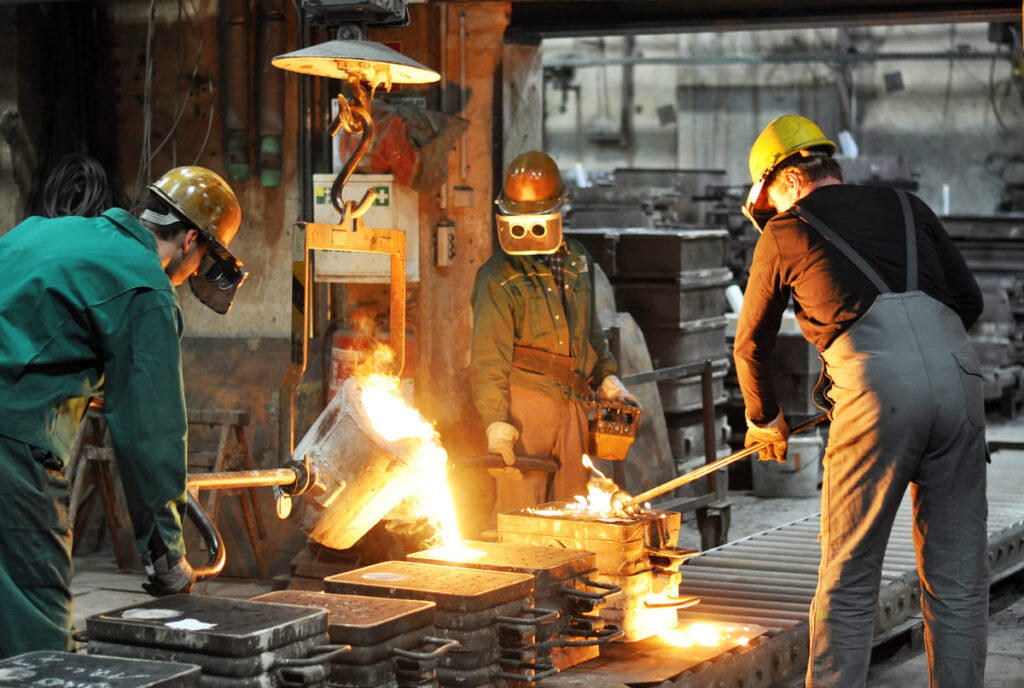
Legislation requires the reduction of CO₂ emissions and clear reporting of environmental (ESG) indicators, which increases the pressure on companies to adopt clear measures in this direction. Solar energy, once integrated into industrial processes, directly reduces the carbon footprint and positively influences the ESG score.
Many companies in the industry are using solar technologies to improve access to financing or to enter into new partnerships.
Projects implemented in halls with continuous thermal processes already prove the efficiency of these solutions. Also, reducing emissions becomes an advantage in the relationship with partners and customers who pay attention to such indicators.
How to plan an industrial solar project – recommended steps
- Analyze the energy consumption profile in detail (by hours, days, months).
- Evaluate the space available for installation (roofs, land), taking into account orientation, shading or permitted load.
- Check existing electrical installations for proper integration with the new system.
- Choose technologies adapted to your needs (types of panels, storage, digital monitoring).
- Identify suitable funding sources (grants, leasing, ESCO, own funds).
- Organizes effective maintenance and system performance monitoring to prevent downtime and extend uptime.
This path helps you quickly see the potential impact of the investment both financially and in terms of environmental and compliance responsibilities.
The transition to self-generated energy is becoming increasingly attractive for metallurgical companies that want to limit their dependence on price fluctuations in the traditional grid. Digitalization, improved panel efficiency and an increase in the range of storage solutions support this path. Implementing these systems helps companies comply with reporting requirements and access new financing, without compromising operational flows.
Carefully analyze the opportunity for your company! Request independent assessments, analyze data on energy consumption or environmental requirements, and consult specialized resources before making any decisions. Legislation and the market are evolving, and solutions adopted today can ensure stability and competitiveness for years to come.

