
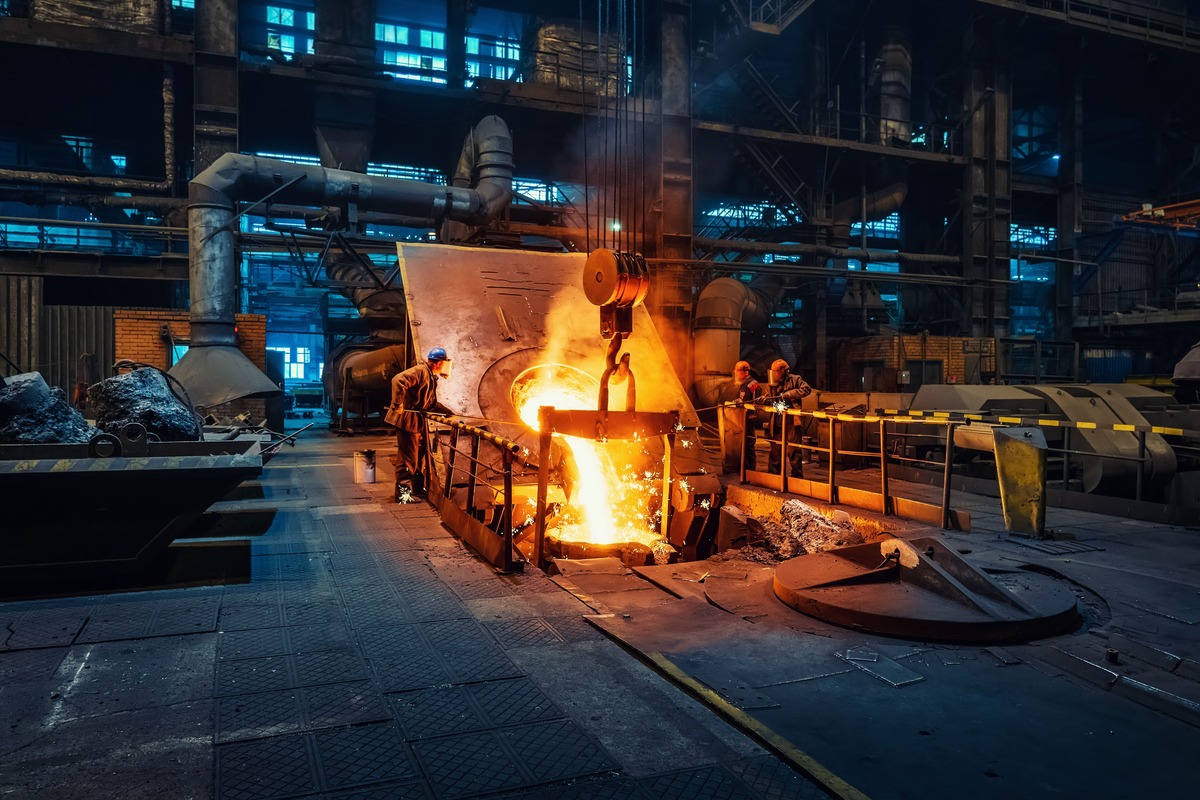
The metalworking industry is going through a period of rapid change, driven by fluctuating energy costs, the pressure of emissions regulations and companies’ desire to remain competitive in the long term. If you manage forging or pressing processes, you are probably already facing the challenge of high bills and increased dependence on traditional energy sources. Solar energy offers practical solutions for both cost control and reducing your carbon footprint, setting the stage for a more efficient and environmentally friendly industrial operation.
In this blog, you will discover how solar energy helps industrial processes, what concrete benefits these solutions deliver, what are the steps necessary for effective integration, but also what difficulties may arise along the way.
Why is solar energy becoming a logical decision for metallurgy?
Energy consumption for metal forging and pressing can account for 70% to 80% of a factory’s operating costs. Many units operate continuously, making it difficult to manage energy fluctuations and market uncertainty.
Clear advantages of using solar energy in metallurgy:
- Reduce dependence on conventional resources: by installing photovoltaic panels, you can cover a significant part of the auxiliary consumption during the day, when machines demand the most from the electrical grid.
- You optimize costs: bills become more predictable, and investments in solar infrastructure contribute to protecting the company’s budget in the long term. For more details, see what you can do to reduce energy costs in hot processing plants, as a result of the market liberalization from July 1!
- Comply with regulations and attract sustainable financing: switching to green energy helps companies achieve an improved ESG (environmental, social, governance) score and facilitates their access to funds for sustainable projects.
For example, steel mills in Germany and technology centers in France are implementing industrial solar systems to produce low-carbon steel and revitalize unused industrial areas. In Spain, grants specifically dedicated to renewable energy are accelerating the adoption of solar technologies in large companies. [1]
How do you implement solar energy in forging and pressing processes?

Solar energy can cover two main requirements in metallurgical processes: electricity supply and providing the heat needed for metal processing.
Efficient solutions for integration:
- Photovoltaic panels: you can directly power your machines and auxiliary systems with the energy produced during the day. For example, in a hall with intense activity between 8 am and 6 pm, a photovoltaic panel installation can provide between 30% and 50% of total consumption, and the integration of industrial batteries increases the self-consumption rate to over 70%.
- Solar thermal or concentrated solar power (CSP) systems: these solutions deliver heat at high temperatures, suitable for forging furnaces or for preheating materials, reducing the use of gas or other classic fuels.
- Hybrid systems: combining solar with energy storage or wind sources supports uninterrupted operation and limits the risk of shutdowns due to lack of energy.
Main steps for integration:
- Perform an energy audit to identify actual consumption and hourly profile.
- Calculate the available area for installation and choose the type of system according to the factory’s needs.
- Establish a staging strategy to allow for adaptation to workflows without significant disruption.
- Collaborate with engineers or specialized companies who know the challenges of the industrial environment.
Economic impact and sustainable benefits for the metallurgical industry
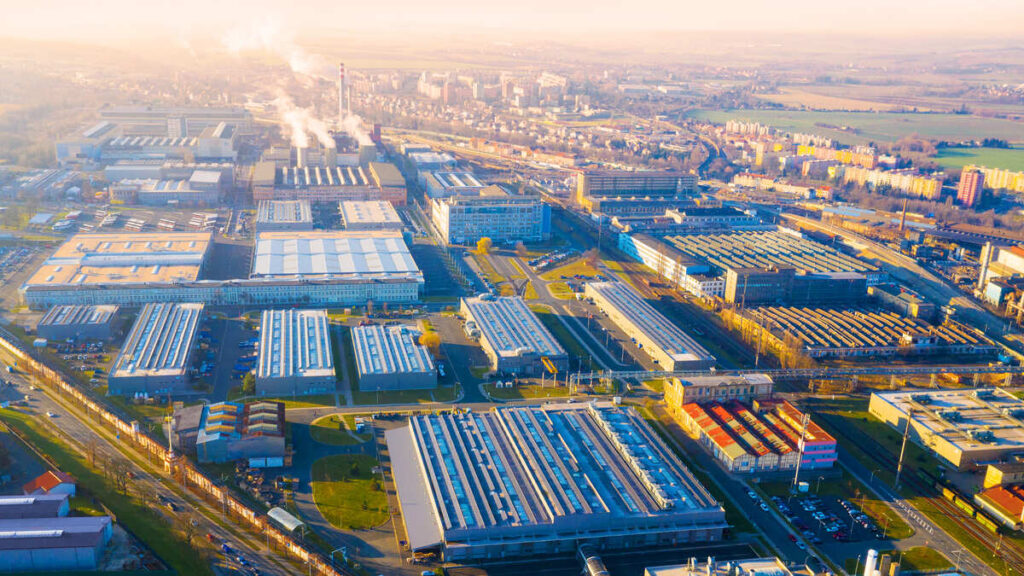
Choosing solar energy brings financial benefits, but also a positive impact on operations:
- Manage the risk of energy price fluctuations: in Europe, electricity costs often exceed 8% of an industrial unit’s total expenses. By producing your own energy, you limit your dependence on market-based tariffs. In Romania, the effects of energy market liberalization lead to increased price volatility, especially for large industrial consumers. Integrating renewable energy reduces exposure to these sudden changes and allows you to have more predictable financial planning.
- Increase attractiveness for investors and partners: companies with a low carbon footprint receive higher ESG scores, which becomes important in commercial negotiations or for accessing financing.
- You generate jobs in new fields: the renewable industry needs both technicians and IT specialists to manage modern monitoring systems.
Challenges encountered in implementing solar energy and practical solutions
The transition to solar energy brings some obstacles that can slow down or complicate the project, but most can be overcome with careful planning.
Common difficulties and methods of approach:
- Limited electrical capacity: outdated internal networks or insufficient space in panels require revisions and possible reconstructions. Plan a detailed audit and implement the project development in stages.
- Continuous industrial activity: In factories with non-stop activity, any stoppage affects the production flow. Install panels during scheduled maintenance periods or collaborate with teams capable of working with minimal interruptions between shifts.
- Limited budgets for the initial investment: many companies access ESCO or green leasing financing solutions, so that the investment is recovered through monthly savings.
Discover in detail the real challenges of private companies in heavy industry in the transition to renewable energy!
Future technologies and trends in solar energy for metallurgy
Solar technology is constantly advancing, offering companies increasingly efficient and flexible options:
- Bifacial panels: these capture light from both sides, increasing energy efficiency where space is limited.
- Perovskite cells: offer high performance at more affordable prices, promising important innovations in the coming years.
- Intelligent monitoring and control systems: digitalization allows for consumption monitoring and automatic regulation, adapting energy production to the immediate needs of the factory.
- Integrating electric mobility: internal transport vehicles can directly benefit from stored solar energy, reducing both costs and emissions associated with internal logistics.
Thus, the transition to solar energy is not limited to the provision of electricity or heat, but covers the entire operational chain in the industry, supporting companies to become more competitive, sustainable and energy independent. See more trends and news in photovoltaic panel technology in 2025!
If you want to switch to solar energy in your forging or pressing factory, follow these steps:
- Request an energy audit and analyze consumption data.
- Research technical solutions adapted to the industrial environment.
- Consult specialists for correct design and implementation.
- Plan your budget and explore available financing options.
- Monitorizează constant performanțele sistemului și adaptează strategia energetică la evoluțiile tehnologice.
Consider the additional advantages offered by photovoltaic panels for halls and commercial spaces!
Sources
[1] https://ert.eu/wp-content/uploads/2024/04/ERT-Competitiveness-of-Europes-energy-intensive-industries_March-2024.pdf

