
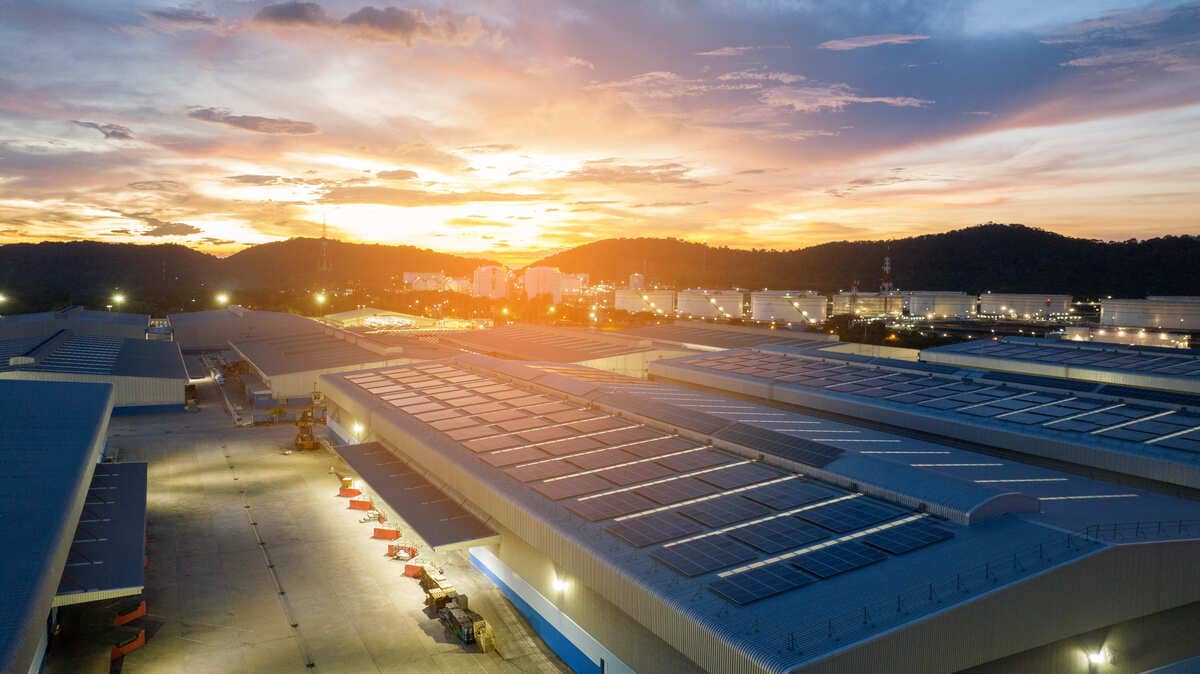
Are you feeling the impact of rising energy prices on your factory’s monthly costs, especially following the liberalization of the energy market? Rising bills are quickly becoming a burden for any industrial entrepreneur. For many factories, every kilowatt overconsumed reduces profits. In addition, this high energy consumption brings with it a significant carbon footprint and the risk of the factory becoming less attractive to partners concerned with sustainability. Nowadays, controlling energy consumption and integrating renewable sources are concrete measures to optimize costs and adapt to modern environmental protection requirements.
Increasing energy costs at the industrial level
The cost of energy for industrial sectors has increased by over 25% recently in Central and Eastern Europe. A factory in Romania that three years ago was paying around 50 euros/MWh can now end up paying over 70 euros/MWh or even more, depending on the contract. In addition to the financial impact, increasingly strict regulations are forcing companies to find solutions to reduce carbon emissions and score well on sustainability. [1]
Why is renewable energy becoming the right choice for factories in the context of energy market liberalization (and beyond)?
Green energy solutions involve natural sources that are constantly replenished: sun, wind, water or biomass. Currently, many industrial units prefer to use mixes of these renewable sources to limit the consumption of fossil fuels.
Integrarea panourilor fotovoltaice pe acoperișul fabricilor a devenit o alegere tot mai des întâlnită. De exemplu, o fabrică medie poate asigura până la 40% din consumul necesar în lunile însorite. Astfel, costurile directe cu energia scad, iar impactul asupra mediului se reduce. Pentru industriile cu nevoi de consum stabil, tehnologiile de stocare a energiei le permit să evite întreruperile, chiar și în zilele cu producție fluctuantă. Un exemplu practic îl reprezintă companiile de prelucrare a metalelor care au implementat sisteme fotovoltaice cu stocare integrată.
How to identify and reduce excessive energy consumption?
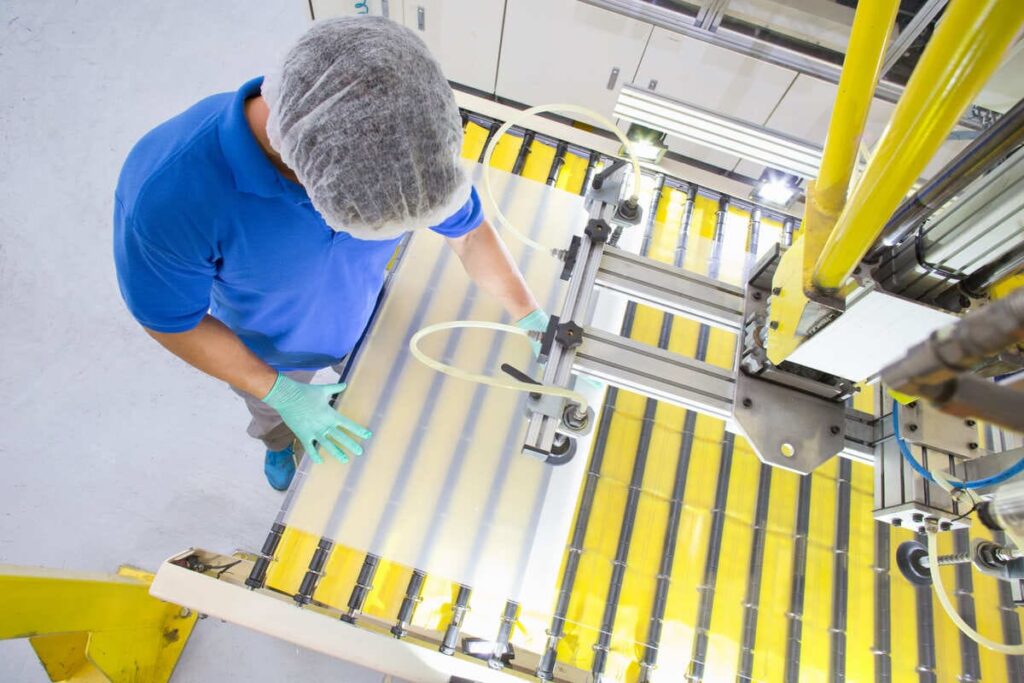
Effective management starts with a careful analysis of your consumption. Follow these steps to find out exactly where you’re wasting the most:
- Efectuează un audit energetic complet! Poți apela la specialiști pentru a verifica fiecare zonă a fabricii unde s-ar putea înregistra pierderi de energie. În majoritatea cazurilor, principalele surse de risipă provin de la utilaje vechi, pompe sau sisteme de climatizare subdimensionate ori prost întreținute. Auditul arată cât consumă fiecare echipament și calculează pierderile din rețea, dându-ți o imagine clară asupra priorităților.
- Use energy monitoring systems! After the audit, install sensors and software that monitor consumption on an hourly basis. These tools highlight consumption peaks and help you adjust your operating schedule or identify non-productive times. This way, you can adjust your operations planning and prioritize investments where the impact is greatest.
- Make decisions with the help of ESCO service consultants! Working with an specialized ESCO service company
can help you interpret and leverage the data you obtain. Through concrete plans, you can reduce losses and increase energy efficiency.
Practical steps for adopting renewable energy in the factory
Integrating renewable sources requires careful planning. Go through these steps step by step:
- Evaluate the factory’s available resources! Check the roof area and the space you have available. For example, a factory in a sunny area with a flat metal roof is perfect for installing photovoltaic panels. If the space or location provides access to wind or biomass from internal processes, you can also consider turbines or biomass-based systems.
- Calculate the required capacity of the system! Măsoară consumul real și observă cum variază acesta pe parcursul zilei. Nu te baza doar pe facturile lunare, ci utilizează date precise colectate din monitorizare energetică. De exemplu, o secție de turnătorie cu consum variabil ar putea folosi eficient un sistem solar de 200 kW, dar are nevoie și de stocare pentru a-și acoperi nevoile la orele de vârf.
- Choose the most suitable technology for your business! Consider whether photovoltaic panels, wind turbines, or hybrid battery systems best meet your needs. For units with large consumption variations, hybrid systems with storage are becoming an increasingly effective solution.
- Complete the administrative steps and get ready to access financing! Any industrial installation requires documentation, a technical project and obtaining the necessary permits, as well as a permit for connection to the grid. You can reduce costs by accessing European and national funding programs.
- Develop the industrial prosumer system! If you manage to produce more energy than the factory consumes, you have the opportunity to deliver the surplus to the national grid, thus recovering part of the investment. The procedure involves obtaining a connection certificate and declaring production.
Additional recommendations for reducing energy consumption in factories
In addition to integrating renewable sources, you can also apply other solutions to reduce consumption:
- Recovery of waste heat from processes. Install heat exchangers on hot air, steam or hot liquid exhausts to reuse the energy in preheating raw materials or production spaces. In metallurgy, heat from furnaces can be captured to generate technological steam or even electricity through ORC (Organic Rankine Cycle) microturbines.
- Correlating load curves with hourly rates! It analyzes the hourly consumption curve and moves high-consuming processes to lower-cost intervals (for example, at night or on weekends, if there is price differentiation). A SCADA system or an EMS (Energy Management System) can automate these switches.
- Power factor optimization and penalty reduction! Install capacitor banks or active filters to correct the power factor below 0.92, avoiding penalties from the supplier and reducing network losses.
- Fine adjustment of compressed air. Compressed air is often one of the biggest “hidden” consumers. Eliminate leaks through ultrasonic checks and lower the pressure by just 1 bar where possible, each bar less reduces consumption by ~7%. Recover heat from compressors for water or space heating.
- Pumps and fans with VFD (Variable Frequency Drive). Install frequency converters to adjust the speed of pumps and fans to actual demand, instead of constant operation at maximum speed.
- High performance industrial insulation. Use insulating materials with low thermal conductivity on pipes, tanks and furnaces. A loss of just 10°C on an uninsulated pipe can mean tens of thousands of euros per year.
- Granular consumption monitoring. Install meters on every production line or critical equipment, not just at the general entrance. This way you can identify inefficient consumers and calculate the exact cost per unit of product.
These measures, applied together with renewable energy, help factories reduce bills by up to 50% or even more.
Long-term benefits: economy, sustainability and reputation
By adopting renewable energy and optimizing consumption, your factory becomes more independent from
energy market fluctuations and better prepared for potential shocks. In addition, you earn sustainability points and can demonstrate to partners and authorities that you are managing resources efficiently.
Aligning with environmental standards helps companies become more attractive to investors who evaluate ESG (environmental, social, governance) scores and meet the demands of customers who prefer sustainable suppliers.
If you want to control energy costs, analyze your current consumption, check the potential for installing renewable sources, then plan your investments with the help of specialists. Constantly monitor energy data, take advantage of available financing, and adapt technologies to your factory’s needs. By following these steps, you can achieve measurable results that will strengthen your factory’s position in the market and bring real long-term gains.
Sources
[1] https://data.consilium.europa.eu/doc/document/ST-6575-2025-INIT/en/pdf

